Lucky Vibe Canva Frame Template Design: Graphics for Authentic Local Branding
First Impressions: Warm, Handmade, and Unmistakably Human
As a brand designer who’s built visual identities for 17 local businesses—from artisanal candle studios in Portland to family-run Filipino bakeries in Houston—I opened the Lucky Vibe Canva Frame Template Design expecting another generic decorative overlay. Instead, I found something quietly intentional: soft organic edges, subtle texture layers, and a balanced asymmetry that feels hand-placed, not auto-generated. It leans into warmth—not cloying sweetness, but grounded, approachable charm. Think linen napkin folds, dried flower stems, or ink-bleed paper grain. This isn’t “premium minimalist” or “corporate sleek.” It’s handmade business branding with quiet confidence—ideal for skincare brands using cold-pressed oils, ceramic studios selling functional mugs, or seasonal pop-ups launching limited-edition holiday preserves.
Where It Earns Its Place in Real Business Design Work
Lucky Vibe Canva Frame Template Design isn’t just a social media embellishment—it’s a flexible graphic design asset that integrates across touchpoints. I recently used it for a small-batch lavender honey brand launching at farmers’ markets and local co-ops. We applied the frames to:
- Product labels: Framing hand-drawn botanical illustrations on 3 oz amber glass jars—adding hierarchy without obscuring ingredient lists
- Packaging accents: Wrapping kraft paper gift boxes with framed “Small Batch • Hand Harvested” banners
- Thank-you cards: Layering the frame over matte photo prints of the beekeeper in the field—elevating sincerity with tactful decoration
- Seasonal campaign visuals: Creating Instagram carousels where each slide used a different frame variant to signal spring harvest, summer bottling, fall labeling, and winter gifting
- Printable inserts: Adding framed borders to recipe cards tucked inside honey jars—turning utility into brand storytelling
It strengthened first impressions at market booths, improved shelf appeal against mass-produced competitors, and created visual consistency across digital ads, printed flyers, and physical hang tags—all while preserving the brand’s earthy, trustworthy voice.
Design Strengths That Build Customer Trust
What makes Lucky Vibe Canva Frame Template Design effective for local business branding isn’t just aesthetics—it’s functional psychology. The gentle framing creates instant visual hierarchy, guiding the eye to product names and origin stories before price or volume. Its organic irregularity signals authenticity—a subconscious cue that this isn’t algorithmically optimized, but thoughtfully made. For handmade businesses especially, that distinction builds credibility. When paired with real photography (not stock), it transforms packaging from transactional to tactile. Customers don’t just see “honey”—they feel the sun-warmed field, the care in the jar, the intention behind the label. That emotional connection translates directly to repeat purchases and word-of-mouth referrals.
Best Use Cases: Where the Frame Does the Heavy Lifting
This graphic design asset shines brightest when supporting, not dominating:
- Hero graphics for website banners or shop window posters
- Decorative brand elements on thank-you cards, stickers, or tote bags
- Product mockups for Etsy listings or wholesale pitch decks
- Boutique visuals—think framed “New Arrivals” signage or framed seasonal menus for cafés
- Social media campaign graphics, especially for launches, holidays, or community events
- Seasonal packaging, where frames can be color-swapped to reflect spring greens, autumn rust, or winter indigo
Cautions: Where Simplicity Serves Better
Lucky Vibe Canva Frame Template Design isn’t universal. Avoid it where clarity trumps charm: on tiny 1.5-inch product labels where legal text must dominate, in ingredient-heavy layouts for food or cosmetics, or beside dense serif typography where the frame competes for attention. It’s also unsuited for luxury minimalist brands (think monochrome apothecaries or high-end ceramics) where negative space is the signature. And never assume it works on low-contrast backgrounds—test every frame variant against your actual label stock or menu paper under natural light.
Practical Designer Notes Before You Commit
Before embedding Lucky Vibe Canva Frame Template Design into client work or your own small business branding:
- Test on real packaging mockups—not just Canva previews—using actual print dimensions and materials
- Check black-and-white usage: Does the frame retain structure when converted to grayscale for cost-effective printing?
- Preview at 25% scale: Many frames lose legibility or become visually noisy when shrunk for hang tags or jar seals
- Test with your brand colors: Swap frame accent tones to match your palette—some variants respond better to warm vs. cool undertones
- Compare with competitor packaging: Does it differentiate—or unintentionally echo another local brand?
- Review PNG transparency: Are edges crisp? Do shadows or textures render cleanly on colored backgrounds?
- Confirm commercial licensing: This is essential for any product sold physically or used in client-facing branding—verify it covers packaging, labels, and promotional materials
- Test font pairings: Try the frame beside serif (e.g., Playfair Display), sans serif (e.g., Inter), script (e.g., Pacifico), and handwritten fonts—you’ll quickly spot which combinations create harmony vs. clutter
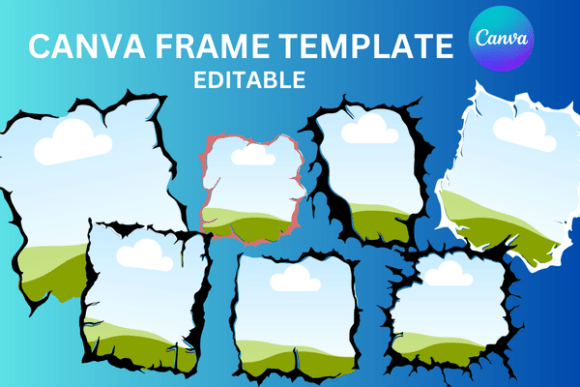
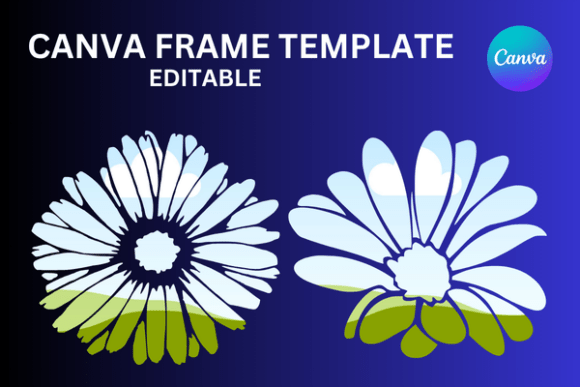
Inside the zip file, you’ll find a PDF containing a link to Canva frame templates. Click the link to access them. These templates allow you to easily drag and drop PNG or JPG background images into the frames—making it fast to prototype, iterate, and align with your brand’s real-world needs.
Final Thought: A Tool for Intentional Local Branding
Lucky Vibe Canva Frame Template Design won’t replace thoughtful logo design or strategic packaging design—but it does remove friction between concept and execution. For small business owners juggling baking, bookkeeping, and branding, that’s invaluable. Used deliberately, it becomes part of a cohesive brand identity—not decoration for decoration’s sake, but a quiet amplifier of what makes your local business human, memorable, and worth returning to.