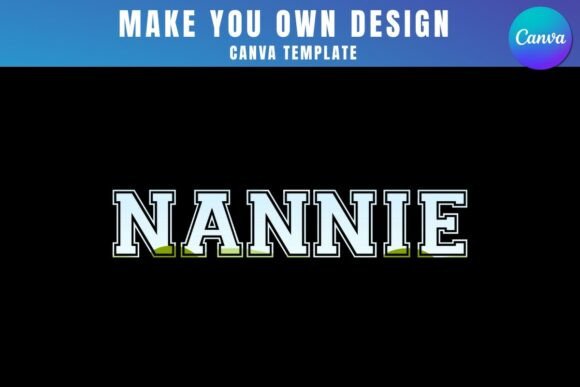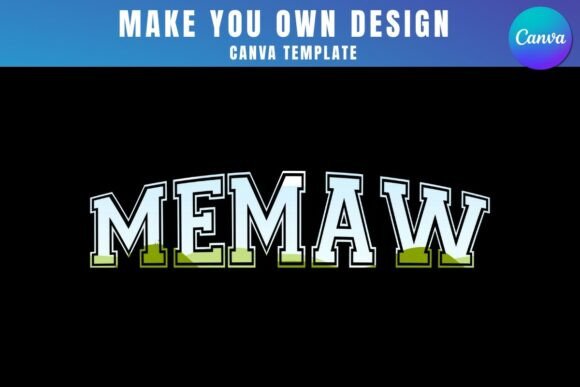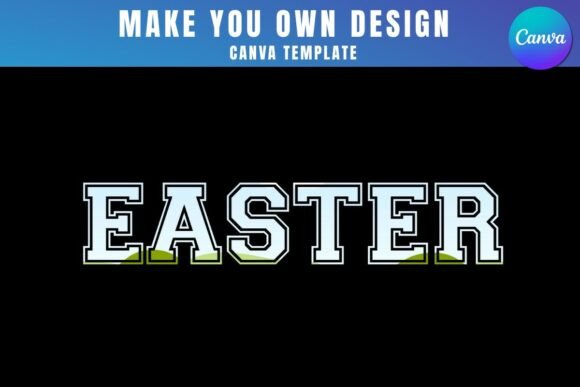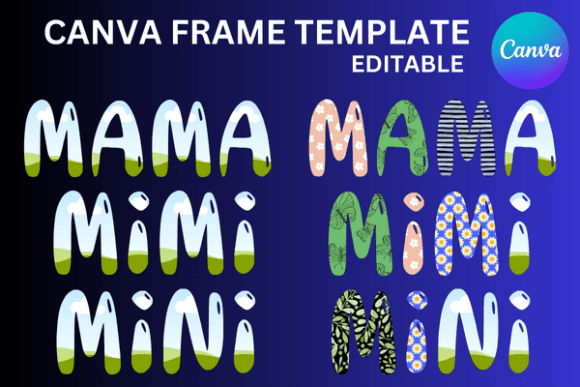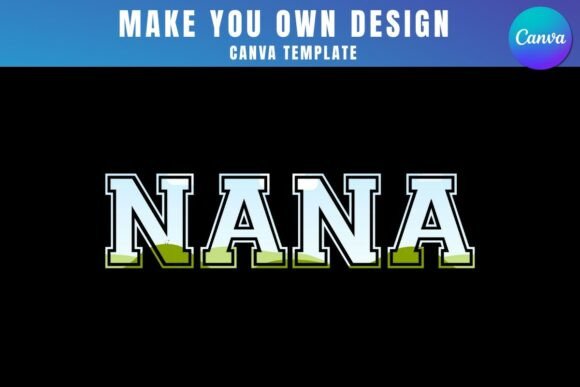
Nana Canva Frame Template Design: Graphics for Real Crafting
As someone who’s shipped over 2,000 custom mugs, planner stickers, and seasonal gift tags from my Etsy shop—and cut vinyl for Cricut and Silhouette projects six days a week—I opened Nana Canva Frame Template Design with cautious optimism. Not another “pretty but impractical” graphic design asset. This one landed with a quiet, warm confidence—soft rounded corners, subtle texture overlays, and gentle spacing that whispered “handmade with care.” It leans into cozy elegance: think farmhouse weddings, baby showers, botanical-themed planners, and small-batch apothecary labels. The mood isn’t loud or trendy—it’s timeless, intentional, and quietly premium. Customers browsing Etsy for personalized thank-you cards or boutique-style party favors will feel instantly at home here.
Where This Frame Template Fits Like a Well-Worn Apron
I tested Nana Canva Frame Template Design across three real production cycles: a spring greeting card line for local florists, a set of sublimation-ready tumbler wraps for a craft fair booth, and printable planner sticker sheets for my digital product bundle. It shined brightest in clean, high-visibility applications: large-format mug designs (especially white ceramic), printable wall art sold as instant-download digital products, and layered gift tags where the frame anchors handwritten names without competing. Because it’s built as a Canva template—not just static files—it adapts beautifully to different background images: a soft watercolor wash, a vintage photo scan, or even a bold floral PNG. That flexibility makes it ideal for seasonal craft bundles (think “Spring Garden Collection” or “Cozy Autumn Tags”) and handmade shop collections where cohesion matters more than pixel-perfect repetition.
Cricut & Silhouette Users: What You’ll Actually Cut (and What to Skip)
The Canva link inside the zip file opens editable templates—but remember: this is a *frame*, not a ready-to-cut SVG. So yes, you’ll need to export your final composition as PNG or PDF, then import into Cricut Design Space or Silhouette Studio. For vinyl cutting, I recommend exporting at 300 DPI and converting outlines manually if needed. It works flawlessly for medium-to-large cut files: tote bag appliqués, 4”x6” greeting card borders, and tumbler wrap frames up to 8”. Where it needs caution? Tiny sticker sizes under 1.5”, intricate layered vinyl projects (the subtle inner linework can blur when scaled down), and anything requiring ultra-thin cut lines—like delicate script monograms nested inside the frame. Always test-cut on scrap vinyl first.
Printables & Sublimation: Resolution, Contrast, and Color Checks
This is where Nana Canva Frame Template Design earns its keep for print-on-demand and small business branding. Exported PNGs hold transparency cleanly—no fuzzy edges on planner stickers or digital clipart. But don’t skip the practical checks: preview how the frame looks over both light and dark backgrounds (I caught one subtle gray tone that vanished on black cardstock); confirm resolution stays crisp at 8.5”x11” for printable wall art; and run a color test print before batching 50 gift tags. For sublimation, I resized the frame to fit standard 12oz tumbler dimensions, added a 0.125” bleed, and confirmed no gradients bled into adjacent areas. Bonus: it pairs effortlessly with serif fonts for vintage charm or clean sans serifs for modern minimalism—no font clashing, ever.
Real Business Guardrails: Licensing, Testing, and Pairing
Before listing anything on Etsy or fulfilling a custom order, I verified the commercial license—yes, it covers customer orders, physical products, and digital downloads. But here’s what the listing won’t tell you: always test the exported file in your actual workflow. Does the PNG transparency hold when layered in Canva? Does the SVG version (if offered separately) have clean, closed paths? I found one version required path simplification in Silhouette Studio to avoid double-cutting. Also, simplify the layout if pairing with busy background photos—reduce opacity slightly or add a soft drop shadow for readability. And never assume contrast: check how text inside the frame reads on white mugs vs. navy totes. I use free mockup tools daily—placing Nana Canva Frame Template Design on real product mockups revealed spacing issues I’d missed on screen.
Who Should Grab This—And Who Might Want to Wait
If you sell printable designs, run a craft fair booth with seasonal decor, manage an Etsy shop focused on heartfelt gifting, or create custom Cricut projects for clients—this is a smart, versatile addition to your design assets. It supports creative marketplace consistency without demanding hours of customization. But if your work relies heavily on micro-detail cutting, ultra-minimalist line art, or monochrome-only palettes, you may need to adjust contrast or simplify layers manually. It’s not “plug-and-play” for every niche—but for cozy, elegant, customer-facing handmade products? It’s a thoughtful, time-saving graphic design asset that feels like it was made by someone who’s also wrestled with misaligned vinyl weeding.
In short: Nana Canva Frame Template Design isn’t flashy—but it’s reliable, adaptable, and built for the long haul of handmade business. It doesn’t shout. It holds space. And in a world of noisy design bundles, that kind of quiet utility is pure gold.