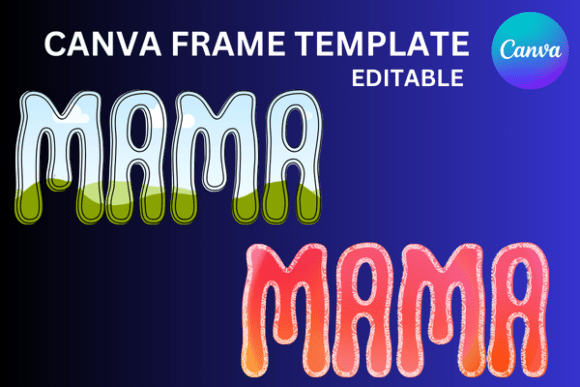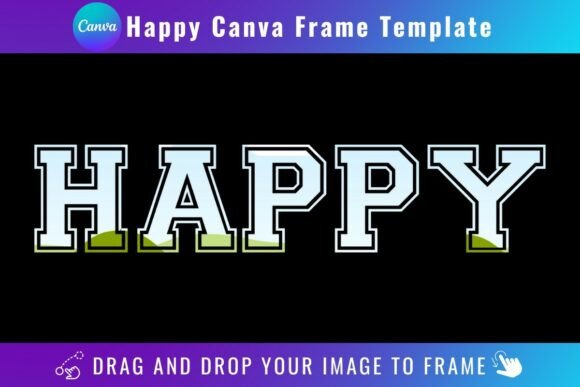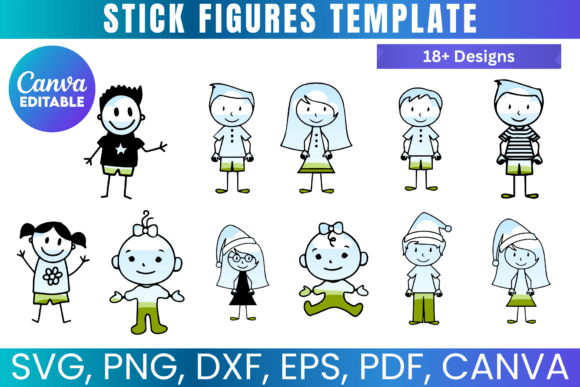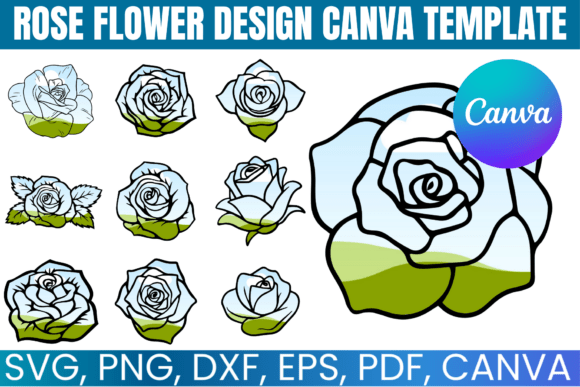
Unicorn Canva Frame Template Editable
A Designer’s First Glance: Whimsy That Holds Up Under Thread
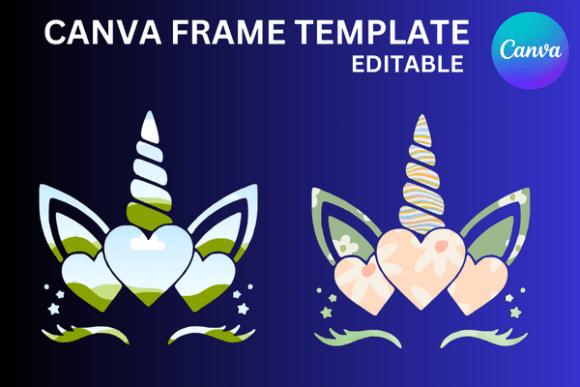
Opening the Unicorn Canva Frame Template Editable, I felt that familiar spark—playful, soft, and intentionally nostalgic. It’s not a dense machine embroidery design or an applique design loaded with satin stitch layers. Instead, it’s a clean, scalable frame: rounded corners, gentle curves, subtle flourishes around the perimeter, and a central void waiting for your own embroidery motif, monogram, or photo. The mood is sweet but not cloying—think nursery decor meets boutique tote bag, not cartoon overload. As someone who’s stitched hundreds of unicorn-themed pieces for baby embroidery, holiday embroidery, and personalized gifts, I immediately pictured this as the outer border for a custom embroidered pillow cover or a framed tea towel design.
Where This Frame Actually Shines in Real Embroidery Projects
I tested the Unicorn Canva Frame Template Editable concept by sketching how it would translate to three real products: a linen kitchen towel (for a small shop product), a cotton baby onesie (for a handmade product sold at craft fairs), and a structured canvas tote bag (for Etsy seller branding). In each case, the frame’s simplicity became its strength. On the towel, it provided elegant framing without competing with hand-stitched lettering inside. On the onesie, it softened the edges of a tiny embroidered name—no risk of stiff corners poking delicate skin. And on the tote? It gave instant cohesion to a mix of thread colors and stitch types, turning a collection of small motifs into a unified, boutique-ready finished product.
This isn’t a standalone embroidery file meant to run straight to your machine. It’s a design asset—a visual anchor. That means it works best when paired with other embroidery elements: a simple running stitch monogram inside the frame, a delicate fill stitch floral sprig, or even a minimalist outline of a crescent moon or star. For commercial embroidery, it adds polish to custom apparel like sweatshirt embroidery or apron designs without demanding complex digitizing.
Where Caution Is Essential—Not Every Fabric or Hoop Loves a Frame
Don’t assume this frame will behave the same on every surface. On stretchy fabric like jersey or thin fabric like voile, the outer curves can distort unless stabilized properly—so always use cutaway or tear-away stabilizer underneath. On dark fabric, test thread color contrast early: light pastel threads may disappear against charcoal or navy unless you add a subtle underlay stitch (which the PDF itself won’t provide—you’ll need to digitize that separately). And on curved surfaces like caps or hats? The frame’s symmetry makes it tricky—corners may pucker unless you reduce the scale or break it into two mirrored halves.
Small hoop sizes are another consideration. If you’re working with a 4” x 4” hoop and want the full frame visible, you’ll need to resize carefully. Zoom in on the PDF and check whether the inner margin leaves enough breathing room for your chosen central motif—especially if you plan to add tiny lettering or fine details. Dense stitch areas also demand attention: while the frame itself is likely low-density (it’s a graphic, not a stitch file), whatever you place inside it could push overall stitch density too high for lightweight fabrics or frequent-wash items like baby clothes or kitchen towels.
What This Frame Adds to Your Craft Business—and What It Doesn’t
The Unicorn Canva Frame Template Editable elevates perceived value. Customers respond to thoughtful composition—not just what’s stitched, but how it’s framed. A well-placed frame signals intention, care, and brand consistency. It turns a single embroidered patch into a cohesive story, especially for Etsy sellers offering personalized gifts or small shop owners curating seasonal collections (think holiday embroidery bundles or wedding gift sets).
But it doesn’t replace technical preparation. This is a digital file—not an embroidery file—so you’ll still need to digitize your inner motif or import it into your embroidery software. It won’t auto-adjust for fabric texture or thread tension. And because it’s delivered as one PDF, licensing isn’t embedded in the file itself. Before selling finished products or reselling digital mockups, confirm whether the license permits commercial embroidery or printable mockup use—especially if you’re bundling it with other design assets.
Practical Notes from the Embroidery Bench
- Always test first: Stitch the frame + your inner motif on scrap fabric matching your final project’s weight and stretch.
- Check contrast in black and white: Print a grayscale version to see how legibility holds up on light vs. dark backgrounds.
- Confirm hoop size and placement: Measure the scaled frame against your hoop’s usable area—don’t forget seam allowances on pillow covers or tote bags.
- Inspect small details: Zoom in on the PDF corners and flourishes—some vector-based graphics lose subtlety when scaled down for baby embroidery or cap projects.
- Match stabilizer to fabric: Lightweight cutaway for knits, medium tear-away for cottons, and ultra-stable for textured fabrics like terry cloth towels.
- Review thread colors holistically: The frame should complement—not compete with—your central motif’s palette. Try warm vs. cool undertones side by side.
- Verify commercial use rights: Since this is a Canva-based Graphics asset, double-check license terms before using in client work, wholesale orders, or digital product previews.
Final Thought: A Quietly Powerful Tool for Intentional Making
The Unicorn Canva Frame Template Editable won’t shout. It won’t dazzle with metallic thread or 3D puff. But in the hands of a thoughtful embroidery designer or craft business owner, it quietly strengthens every project it touches—adding structure to whimsy, clarity to customization, and polish to handmade presentation. Whether you’re prepping a batch of embroidered nursery decor, designing a limited-run boutique collection, or building consistent branding across Etsy listings and craft fair displays, this frame earns its place not as a gimmick, but as a reliable, reusable design decision. Just remember: its power lies in how you pair it, stabilize it, and present it—not in what it promises alone.