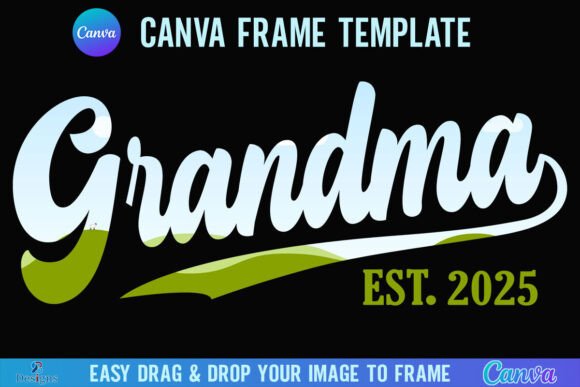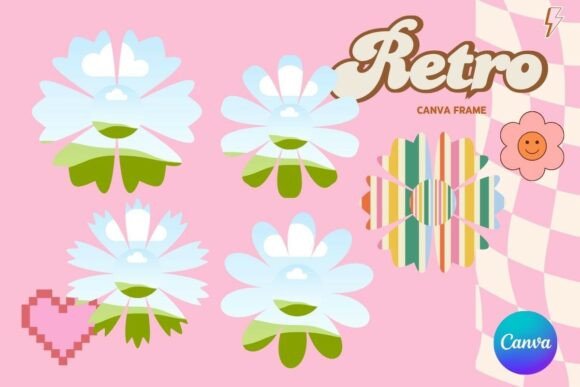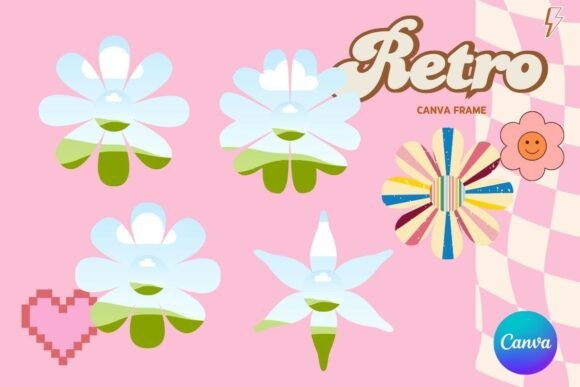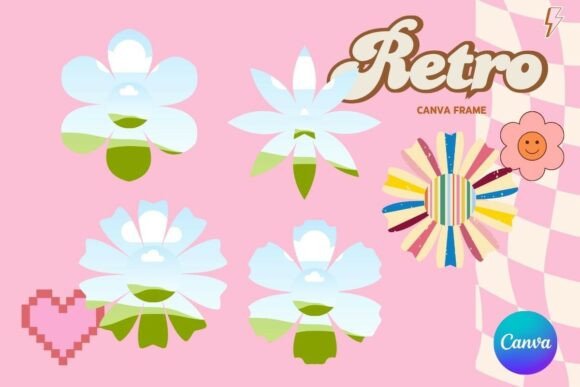
Dad Est 2025 Canva Frame Retro Daddy Graphics
As a digital product creator who’s launched over 200 Etsy listings and managed seasonal collections across Creative Fabrica, Shopify, and print-on-demand platforms, I opened Dad Est 2025 Canva Frame Retro Daddy with a clear question: “Does this fit *real* commercial use—not just decoration, but revenue-driving design assets?”
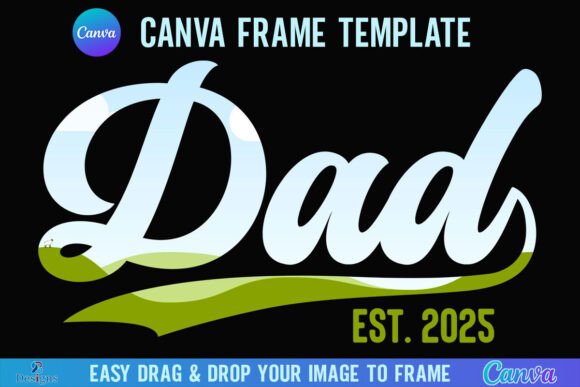
First impression? It’s warm, nostalgic, and intentionally unpolished—think vintage diner signage meets handwritten chalkboard charm. The retro typography leans slightly distressed, with subtle grain texture and warm mustard-and-cream tones that evoke summer BBQs, backyard games, and relaxed fatherhood energy. It’s not minimalist. It’s not ultra-modern. It’s *personable*—and that’s its strongest selling point for niche audiences like handmade greeting card sellers, nursery decor brands, and small-batch apparel shops targeting dads who appreciate humor over hype.
You receive one clean ZIP file. Inside is a single PDF containing a direct Canva link—no convoluted download portals or expired tokens. Click the link, and you’re instantly in a branded Canva template folder with editable frames sized for Instagram posts, printable 8×10s, A4 cards, and 12×12 scrapbook layouts. No extra software needed. No font-hunting. Everything works out of the box—ideal when you’re batch-creating product mockups at 6 a.m. before your next Etsy restock.
This graphic design asset shines brightest where personality matters more than precision: greeting cards, printable wall art, t-shirt designs (especially on heather grey or oatmeal tees), mug wraps for Father’s Day bundles, and Cricut-ready SVG versions for vinyl projects. I tested it as a sublimation design on ceramic mugs—held up beautifully at 300 DPI—and as a PNG sticker layer in a planner kit bundle. Its balanced visual hierarchy means text stays legible even when layered over subtle photo backgrounds in Canva templates.
For Etsy sellers building themed collections, Dad Est 2025 Canva Frame Retro Daddy acts as a consistent anchor. Pair it with coordinating clipart (like retro sunglasses or grill icons), add a handwritten script font for personalization fields, and you’ve got a cohesive digital download bundle—wall art + matching greeting cards + social media story templates—all unified by that same warm, analog-inspired tone. It also strengthens brand identity for small businesses launching their first line of dad-themed merchandise, especially those avoiding stock-looking designs.
Where does it work best? In large-format previews (think 2000×2000 listing images), seasonal bundles (Father’s Day, graduation, new dad announcements), decorative layouts for blog graphics or email headers, and printable products where texture and mood outweigh razor-sharp edges. On product mockups—especially lifestyle shots of framed prints or mugs on picnic blankets—it adds instant authenticity and emotional resonance.
But let’s be practical: avoid using it for tiny sticker details or intricate Cricut cut files unless you verify the SVG paths first. The retro texture doesn’t scale down cleanly below 2 inches, and fine serifs can blur on low-res print products like basic thermal receipt paper or cheap kraft tags. It also needs careful handling on dark backgrounds—those warm mustard tones fade into charcoal or navy unless you manually adjust contrast or add a soft white drop shadow. And if your design relies on tight text alignment (e.g., formal invitation templates), test spacing thoroughly—the playful baseline shift in the original frame may throw off grid-based layouts.
Before publishing any product listing, here’s what I recommend testing:
- Preview the Canva frame as an Etsy thumbnail at 400×400—does the core message (“Dad Est 2025”) stay readable?
- Drop the PNG into a white-background mockup and a dark-background mockup side-by-side to assess contrast and transparency.
- Print a test copy on your target paper stock (matte vs. glossy) to confirm color fidelity—especially that creamy off-white background tone.
- If offering SVG, open it in Cricut Design Space or Silhouette Studio: check for stray nodes, overlapping paths, or ungrouped layers that could cause cutting errors.
- Verify resolution: all included PNGs should be 300 DPI at minimum 2400×3000 px for high-quality printable designs.
- Organize customer files clearly—label folders as “PNG,” “SVG,” “Canva Link,” and “Commercial License” so buyers know exactly what they’re getting.
Typography pairing matters too. This frame sings with friendly sans serifs (like Poppins or Quicksand) for clean modern contrast, but also holds its own beside gentle script fonts (Caveat, Pacifico) or sturdy display fonts (Bangers, Fredoka One) for bold merch applications. Avoid thin serif fonts—they compete with the retro texture instead of complementing it.
Crucially: confirm the commercial license covers end-product sales—not just personal use. For digital downloads and POD, you need explicit permission to sell items featuring this design. Most reputable sellers include a clear license PDF; if yours doesn’t, reach out before building inventory. You’re not just buying a graphic—you’re buying legal safety for your handmade business.
In real shop terms, Dad Est 2025 Canva Frame Retro Daddy isn’t a standalone bestseller—but it’s a quiet multiplier. It lifts the perceived value of your printable design bundles, adds cohesion to your Father’s Day collection, and helps customers imagine your product *in their life*. That’s what converts scrollers into buyers. Used thoughtfully—with attention to mockup context, background contrast, and file integrity—it supports better thumbnails, stronger branding, and faster product iteration. Not flashy. Not complicated. Just reliably useful for creators who build for people, not algorithms.